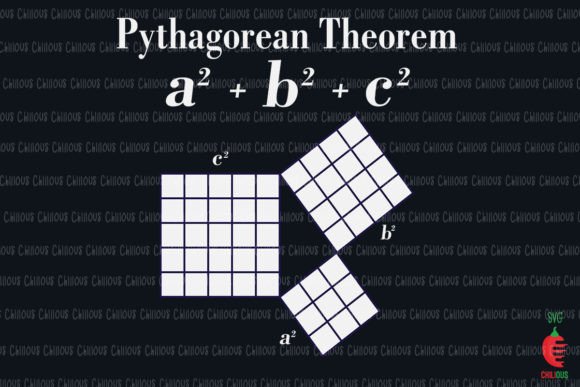
Pythagorean Theorem Math Teacher Embroidery Design Review
As an experienced embroidery designer and product reviewer, I often find myself evaluating designs for their real-world usability. When it comes to the Pythagorean Theorem Math Teacher embroidery design, it’s clear that this one has a specific charm and purpose — but like any good design, its success depends on how well it aligns with the project you're planning.
First Impressions: A Nod to Educators with a Mathematical Twist
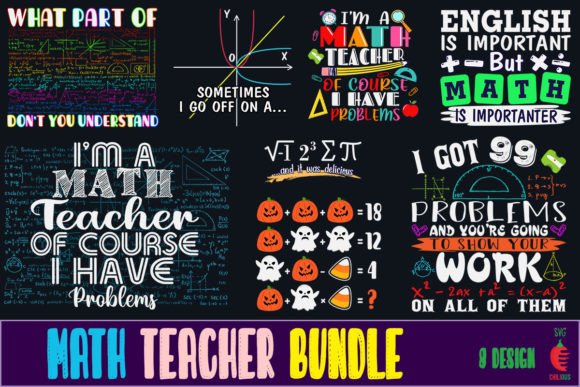
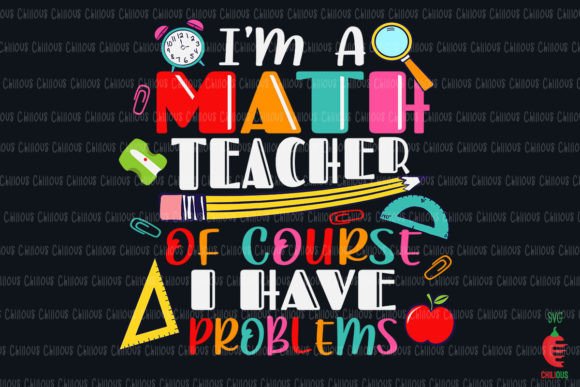
The Pythagorean Theorem Math Teacher design immediately gives off a playful yet professional vibe. It's not just another generic teacher-themed embroidery file; it brings in a clever math element that makes it stand out. The layout is clean, with the theorem itself subtly integrated into the overall theme of a teacher figure or scene. The visual personality feels both nostalgic and modern, making it versatile enough for various crafts and graphics applications.
I was especially impressed by the attention to detail in the character design — the subtle cues suggesting a teacher, such as glasses or a chalkboard reference, add depth without overwhelming the eye. The text elements are bold but not too thick, which helps maintain readability while keeping the design from looking cluttered.
Real-Life Project Fit: What Works Best?
This design shines brightest when applied to projects where humor and intellect intersect. Think of custom apparel for a Back to School line or a personalized gift for a retiring math teacher. Its theme makes it a great fit for tote bags, sweatshirts, or even embroidered patches that can be sewn onto backpacks or jackets.
For Etsy sellers and small shop product creators, this could be a unique addition to your seasonal offerings. Imagine a cozy sweatshirt with the Pythagorean Theorem Math Teacher stitched across the chest — it adds character and instantly connects with educators who appreciate the inside joke. Similarly, it would look fantastic on a set of teacher gift ideas, such as embroidered aprons or pillow covers for a classroom setting.
If you're working on nursery decor or baby clothes, though, this might not be the right choice unless you're aiming for a more mature audience or a themed educational space. It's definitely better suited for adult-oriented items rather than baby-centric ones.
Stitching Performance and Practical Considerations
In terms of stitch quality and performance, the machine embroidery design appears to be well-balanced. It uses a combination of running stitch, fill stitch, and possibly some satiny areas to define key elements. This mix ensures the design holds up visually while also being efficient for machines to process.
However, if you're planning to use it on a curved surface like a cap or hat, be prepared to adjust the placement and consider the curvature. The same goes for thin or stretchy fabric — these materials may cause distortion in the details, particularly around the corners or lettering. Always test the design on scrap fabric first to see how it reacts to tension and movement.
Stabilizer is essential here, especially if you're stitching on textured fabrics or using a high-density stitch area. Without proper backing, the final result may lack clarity or show puckering, which can diminish the professionalism of your finished product.
Where to Use with Caution
While the Pythagorean Theorem Math Teacher is a strong design, there are scenarios where it may not perform as expected:
- Small hoop sizes: The design’s complexity may require a larger workspace. If you're limited to smaller hoops, parts of the design could get cut off or lose their impact.
- Dark fabric backgrounds: Thread color contrast is crucial for visibility. On darker fabrics, certain colors may fade or become indistinguishable, so testing is a must.
- Frequent washing: For items like tea towels or aprons that will endure regular laundering, ensure the thread colors and stitch density are suitable for long-term durability.
- Layered garments: Stitching this design over multiple layers of fabric (like a hoodie with a fleece lining) can lead to uneven results. Check the stitch density and consider using a tear-away stabilizer underneath.
Design Impact on Visual Appeal and Branding
When used correctly, this design elevates the visual appeal of a product significantly. It’s not just about the image itself, but the story it tells. For a craft business or boutique line, having a design that nods to education and math can create a sense of niche identity and brand consistency.
From a customer perspective, the design communicates thoughtfulness and personality. Whether it's a personalized gift or a commercial embroidery item for sale, people tend to connect more with products that have a meaningful or humorous twist. That said, the design needs to be paired with the right product type and fabric to maintain its integrity and product value.
It also enhances handmade presentation when applied with care and precision. As a digital embroidery file, it's easy to integrate into your workflow, but don’t underestimate the importance of previewing it with a printable mockup before finalizing your order or production batch.
Designer Notes for Real-World Application
Here are my top tips for getting the most out of this design:
- Test on scrap fabric: Especially if you're using a new machine or unfamiliar material. You’ll want to confirm how the stitches react and whether the colors hold up.
- Review stitch density: Dense areas may need extra stabilizer or a slight adjustment in tension settings to avoid distortion.
- Check thread color contrast: Some thread shades may appear different under lighting or on certain fabrics. A black-and-white mockup can help identify potential issues with legibility.
- Confirm hoop size: Before sending this to production, verify that the hoop you plan to use can accommodate the full design without cropping or stretching.
- Inspect small details : Look closely at the lettering and facial features. These can be tricky on textured or stretchy surfaces, so always do a trial run.
- Use proper stabilizer: Depending on the fabric, you may need a combination of tear-away and wash-away stabilizers to achieve the best result.
- Verify licensing: If you're selling this as part of a finished product or including it in digital assets, make sure the license allows for commercial use. This is especially important for Etsy sellers and digital product creators.
Final Thoughts for Crafters and Entrepreneurs
The Pythagorean Theorem Math Teacher isn't a one-size-fits-all design, but when placed in the right context, it can be a standout feature in your embroidery project. It works well for holiday gifts, retired teachers, or even as a cheeky addition to a college-bound student's custom apparel.
Its blend of humor and intellectual nod makes it memorable and shareable, which is huge for buyers engagement. But remember, memorability only matters if the design looks good and functions well on the chosen product. Take time to evaluate how it interacts with your materials and target audience.
Overall, this is a fun and thoughtful machine embroidery design that can bring a smile to the right customers. Just make sure you're using it in the right way — because in embroidery, as in math, the formula for success is all in the execution.