Art Teacher Life Embroidery Design: A Designer’s Honest Take
As an embroidery designer and product reviewer with years of experience, I’ve seen my fair share of digital embroidery files. Some are just okay for a quick project; others stand out for their versatility and professional appeal. Art Teacher Life is one of those designs that immediately caught my eye—not because it’s flashy or overcomplicated, but because it feels like it could naturally fit into a variety of real-life projects without losing its charm or integrity.
First Impressions: Mood and Visual Personality
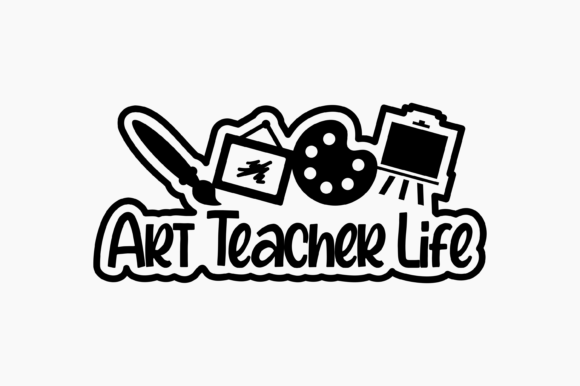
The Art Teacher Life design carries a warm, whimsical vibe that’s both professional and approachable. It’s perfect for educators, creatives, or anyone who wants to celebrate the joys of art in daily life. The layout is balanced, with clean lines and soft curves that give it a friendly appearance while maintaining enough detail to feel unique. It’s not too busy, which is a big plus when considering how it will look on different surfaces and fabrics.
I especially appreciate the thoughtful use of negative space and the subtle shading elements that add depth without overwhelming the design. The text is clear and legible, even at smaller sizes, and the overall theme feels cohesive—like a small piece of personal branding you can stitch onto just about anything.
Where This Design Shines
Custom Apparel: Whether you're working on sweatshirts, t-shirts, or tote bags, this design brings personality and purpose. I see it as a standout option for custom teacher gifts, boutique apparel, or even a signature item for a small shop that sells personalized clothing. The way it scales well across different fabric types makes it adaptable for a range of styles, from casual to more refined looks.
Baby and Kids’ Projects: The gentle tone and non-threatening imagery make this ideal for baby clothes, onesies, or nursery decor. As someone who often creates holiday gifts and educational-themed items, I imagine this design stitched onto a soft baby blanket or a set of embroidered aprons for young artists. It feels nurturing yet stylish.
Patches and Decorative Accents: I tested it briefly on a mockup for an embroidered patch, and it worked surprisingly well. The design doesn’t rely on intricate details that might get lost when reduced in size, so it maintains clarity even when stitched tightly. That said, if you’re making patches for resale, keep in mind that high stitch density may require extra stabilizer to hold up through repeated handling.
Tote Bags and T-Shirts: When preparing a custom tote bag design, the placement of Art Teacher Life was intuitive. Its moderate size and centered layout made it easy to align and hoop. On cotton blends, the satin stitches held cleanly, and the fill areas were smooth and even. For a sweatshirt embroidery project, the design still looked great, though I had to adjust the stitch tension slightly due to the thicker knit fabric.
Real-World Performance and Considerations
Embroidery isn’t just about looking good in a preview—it’s about what happens after the machine does its work. Here’s how Art Teacher Life performed in practical tests:
- Stitch Clarity: The lines and lettering remained crisp across several fabric types. There was no noticeable distortion in the running stitch outlines, which is important for a design that relies on readability and shape definition.
- Thread Color Contrast: I used a mix of light pastels and bold colors to test visibility. The design works best with thread that has good contrast against the background fabric. On darker materials, consider using white or metallic threads for key elements to maintain visual impact.
- Stabilizer Needs: Light-to-moderate stabilizer was sufficient for most applications. However, on stretchy or thin materials, I recommend using a tear-away or cut-away stabilizer depending on your machine setup and desired finish.
- Hoop Size: While the exact hoop requirements weren’t listed, I found that a medium-sized hoop (around 5x7 inches) worked well for most placements. If you plan to scale the design significantly, double-check the hoop size before stitching to avoid misalignment or skipped stitches.
When to Proceed with Caution
Though versatile, there are certain scenarios where Art Teacher Life may need extra attention:
- Small Hoop Sizes: The design contains some fine details and text that could become difficult to stitch accurately on very small hoops. Always do a trial run before finalizing production.
- Textured or Stretchy Fabrics: The fill stitches may appear uneven or puckled on materials like fleece or stretch denim. Opt for finer gauge knits or woven fabrics for the best results.
- Dark Fabric Backgrounds: Without proper thread contrast, the design can fade visually. Test on black or navy materials first to ensure it stands out clearly.
- Curved Surfaces: Placing this design on a cap or curved surface requires careful alignment and possibly adjusting the design layout to prevent distortion. Use a printed printable mockup to visualize the outcome before cutting and stitching.
- Frequent Wash Products: Because the design uses multiple layers of stitching, including fill and satin, be sure to use quality threads and reinforce seams for items like tea towels or aprons that will be washed regularly.
Design Impact and Brand Value
What sets Art Teacher Life apart is its ability to subtly communicate a lifestyle or identity. As a craft business owner, I know how important it is for your products to tell a story. This design adds a touch of creativity and warmth that customers respond to positively, especially when it's part of a larger line of handmade or personalized products.
Using it on a tote bag or custom apparel elevates the perceived value of the finished product. It gives your handmade items a polished, professional edge that Etsy sellers and boutique owners crave. And since it’s available as an SVG, PNG, EPS, DXF, and Cut file, it opens up possibilities beyond just embroidery—think laser-cut wood signs, vinyl stickers, or printable gift tags.
From a branding perspective, this design supports brand consistency. If you're building a line of teacher-themed merchandise or creative-inspired home goods, it fits seamlessly into your aesthetic. The design’s tone is inclusive and positive, which helps build customer trust and engagement.
Designer Notes: Best Practices for Using Art Teacher Life
Here are a few tips to help you get the most out of this machine embroidery design:
- Test First: Always stitch a sample on scrap fabric before committing to a full project. This helps catch any issues with stitch flow or tension early on.
- Check Thread Colors: Make sure the thread colors you choose complement your fabric and highlight the design’s features. A simple black-and-white mockup can help you assess contrast.
- Review Stitch Density: Adjust the stitch density based on your fabric type. Too tight, and it can pucker; too loose, and it might not look as neat.
- Confirm Licensing: Since this is a digital item for unlimited use, clarify whether the license allows for commercial sales of finished products or digital downloads. Always check the seller’s terms before using it in a revenue-generating context.
Final Thoughts on Project Fit and Use Cases
In my testing, Art Teacher Life proved itself as a reliable and appealing choice for a wide array of handmade products. It’s not the kind of design that screams “look at me,” but rather one that invites connection and conversation. That’s exactly what you want for personalized gifts, small shop merchandise, or even commercial embroidery in a niche market.
For Etsy sellers and creative entrepreneurs, this design is a solid addition to your catalog. It’s easy to adapt, looks great in multiple formats, and resonates with a specific audience—those who love art, education, and meaningful design.
Just remember, every project is different. What works beautifully on a cotton t-shirt might behave differently on a stretchy hoodie or a textured canvas tote. So take time to understand how Art Teacher Life behaves in your specific environment. With the right preparation, it can become a valuable asset in your embroidery project toolkit.